
Freestanding Barricades: When Portability Meets Protection
Published by Boston Retail Solutions on
Jan 20, 2026, 5:15:00 AM
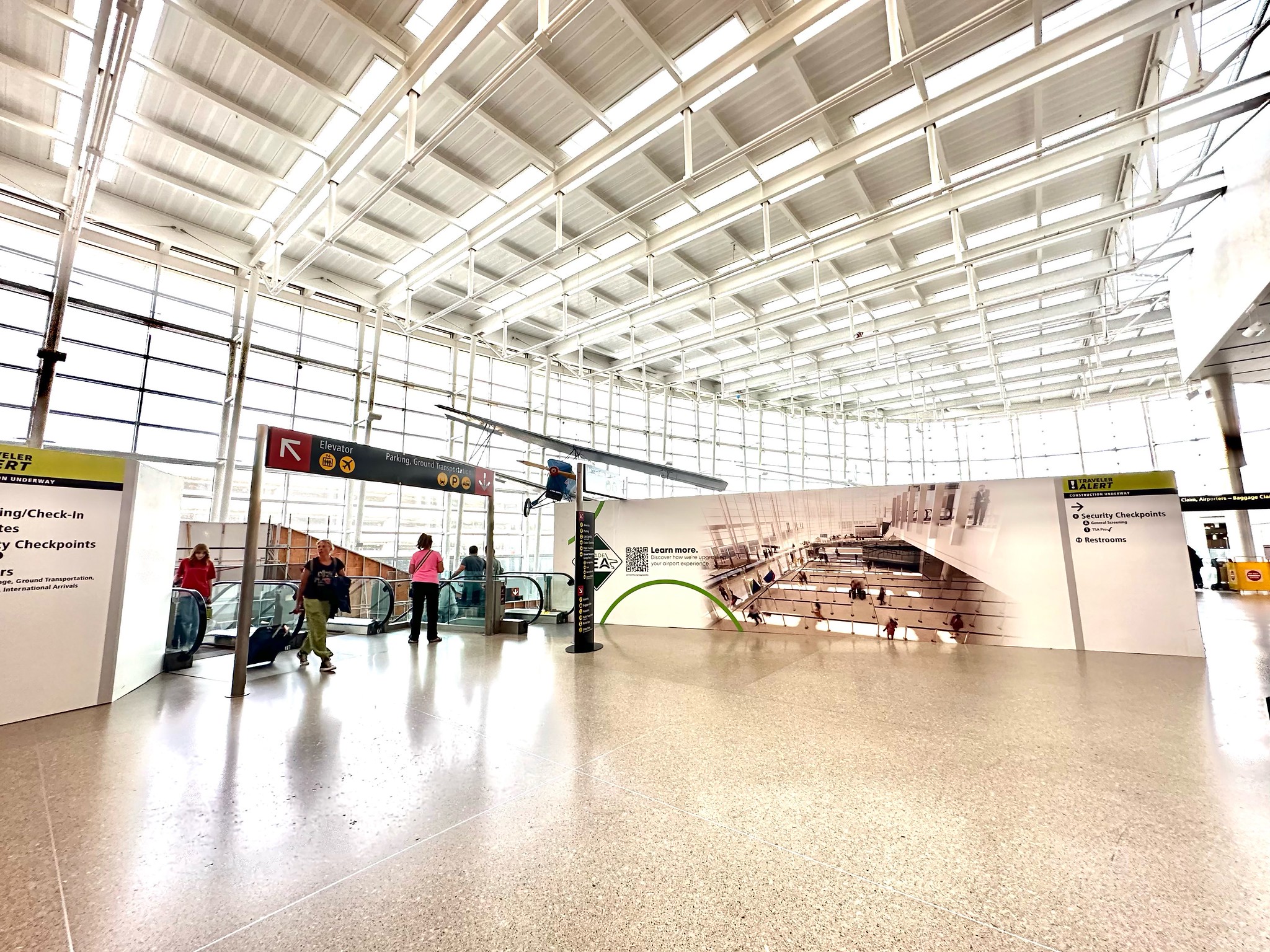
In fast-paced areas like airports, spaces must be able to reconfigure quickly without compromising security, brand presence, or passenger flow. Freestanding barricades hit that sweet spot, portable yet protective, standing firm without the need for drilling or nailing. They create clean, secure enclosures and high-impact canvases for graphics or wayfinding to keep terminals operational while projects continue.
Designed for airport environments, freestanding systems deliver stable, temporary walls that can be adjusted as projects evolve, unlike rolling options, which may raise security concerns in terminals. This article explores why you should choose freestanding barricades, where they excel, and what makes them portable.
Why Most People Choose Modular Freestanding Barricades
Freestanding barricades offer flexibility and convenience, making them ideal for a wide range of environments and applications. Let’s explore the key features that make these barricades practical for your project needs:
- No-Drill Stability That Protects Finishes
Freestanding modular barricades create stable divisions without penetrating floors or ceilings, which is essential in terminals with terrazzo, raised access flooring, and embedded systems. By avoiding anchors and patchwork, they preserve existing finishes, reduce restoration costs at closeout, and speed the return of areas to service. - High-Impact Branding and Wayfinding
These systems double as clean, professional canvases for large-format graphics and wayfinding. Airports can turn necessary construction zones into branded moments that guide passengers, promote upcoming openings, or reinforce concession partners. With providers like Boston Retail Solutions, barricade and graphic packages are coordinated so messaging looks sharp and stays consistent. - Minimal Disruption With Off-Hours Install and Removal
Modular components arrive pre-engineered to fit the site, allowing for installation and takedown during off-hours to maintain uninterrupted passenger flow. Crews can complete barricades and graphics within a single overnight window when coordinated in advance, ensuring that terminal operations, tenant schedules, and facility cleanliness remain the priority. - Easy Adjustments as Projects Evolve
Gate moves, phasing shifts, or changing work scopes are common in active terminals. Freestanding barricades can be resized, reconfigured, or extended without demolition. Boston Retail Solutions can modify layouts throughout a project to maintain access, sightlines, and brand continuity as conditions change. - Sustainable by Design
Unlike drywall builds, which create dust, require dumpsters, and end up in landfills, modular panels are reused from project to project and can be recycled at the end of their life. This approach reduces waste, supports airport sustainability goals, and avoids hidden costs tied to debris removal and surface repainting associated with traditional temporary walls. - Airport-Ready Compliance and Security
Freestanding systems provide a stable, secure barrier suited for airside and landside environments where rolling options may raise security concerns. Precision site surveys and 2D and 3D field data enable custom-fit solutions that respect egress, sightlines, and equipment access, helping facility teams stay compliant while keeping the terminal on brand and on time.
Knowing Where Temporary Freestanding Barricades Excel At
Wondering where temporary freestanding barricades make the biggest impact? From ticketing halls to vertical circulation zones, here are several spaces where they're most effective:
- Ticketing and Check-In Halls
Freestanding barricades excel in large, high-traffic ticketing areas where directly installing into terrazzo or embedded systems is not feasible. They create secure barriers while preserving finishes and keeping counters and kiosks accessible. Branded graphics maintain a professional look during upgrades. - Security Checkpoint Reconfigurations
When TSA lanes shift or expand, freestanding systems provide non-rolling barriers that support security protocols while work is in progress. Panels can be resized or extended as phases change, and clear graphics guide travelers through temporary pathways. Most companies use precise 2D and 3D surveys to ensure a custom fit that respects egress and sightlines. - Gate Hold Rooms and Jet Bridge Interfaces
Gate areas require uninterrupted operations, so freestanding barricades are used to separate seating upgrades, flooring work, or counter refreshes without the need for floor anchors. The no-drill approach protects sensitive thresholds near jet bridges. High-quality graphics preserve brand presence and passenger comfort during construction. - Concession and Retail Build-Outs
New shops benefit from freestanding barriers that turn work zones into premium advertising for upcoming openings. Panels serve as clean canvases while shielding work from public view, and modularity supports phased openings without demolition. Experts can pair barricades and graphics in one visit to streamline schedules. - Baggage Claim and Carousel Upgrades
Carousel replacements and belt repairs require secure separation from travelers, which freestanding barricades provide without anchors. The system adapts to curves and irregular footprints common in baggage halls. Clear signage enhances circulation and reduces congestion in areas with active work zones. - Restroom Renovations
Restroom upgrades benefit from fast, clean enclosures that hold firm in tight corridors and near plumbing zones. Freestanding barricades maintain nearby traffic flow and provide privacy while work proceeds. Branded or neutral graphics keep spaces professional and reduce perceived disruption. - Lounges and Club Entrances
Lounge expansions often sit adjacent to busy concourses, where dust control and finish protection are crucial. Freestanding systems create a polished perimeter that supports VIP branding and provides a discreet wayfinding solution. Panels can be reconfigured quickly to maintain entry paths and emergency egress. - Corridors, Mezzanines, and Vertical Circulation Zones
Escalator replacements, elevator modernizations, and stair upgrades need robust barriers. Freestanding barricades adapt to multilevel conditions and guide passengers while work continues. Companies like Boston Retail Solutions use field-verified measurements to maintain clearance, sightlines, and code compliance throughout each phase.
What Makes Interior and Exterior Freestanding Barricades Portable
Understanding the portability features of freestanding barricades reveals why they’re the go-to solution for dynamic environments. Below are design elements that make moving, assembling, and adjusting these barricades quick and efficient:
- Lightweight, Rigid Materials. Aluminum frames and composite panels keep weight low enough for a small crew to hand-carry pieces through facilities. The materials remain stiff under load, so long runs can be moved and set with minimal flex or extra bracing.
- Doorway- and Elevator-Friendly Module Sizes. Panels are sized to fit standard doorways, corridors, and elevator cabs, allowing them to move easily through back-of-house routes. This eliminates the need for time-consuming disassembly into smaller parts and speeds up transfers between floors.
- Stackable Panels and Nestable Bases. Flat, stackable panels and bases that nest maximize cube efficiency on carts and pallets. More components travel per trip, reducing handling and making it easier to stage and reposition sections during phased work.
Install High-Quality Freestanding Barricades by Partnering With Boston Retail Solutions
Keep your space operational during construction with Boston Retail Solutions. We can handle site surveys, design, large-format graphics, and certified overnight installations to deliver freestanding barricades. By choosing our company, you receive a compliant and worry-free result that ensures the surrounding area is not affected while keeping your renovations operational.
Contact us to find out how our freestanding barricades can be of use for your renovation project.